





Types of Dental Crowns and Cost: Which One Suits You?

Cố vấn chuyên môn:TS.BS.CKII Nguyễn Hiếu Tùng
- Giám đốc Nha khoa I-DENT
- 10 năm tu nghiệp tại Pháp - hơn 10.000 ca Implant thành công
- Giấy phép hành nghề số 0002468/TG – CCHN
Listen to this article
20 min 16 secOpen audio player
There are 7 main types of dental crowns today, including Metal Crowns, Gold Crowns, All Porcelain Crowns, Porcelain Fused-to-Metal Crowns (PFM), Zirconia Crowns, E-MAX Crowns, and All-Resin Crowns. The cost of these crowns ranges from $600 to $3,000, depending on the material and the specific dental needs. Each type offers different benefits, durability, and aesthetics, so it’s important to choose the right one based on your individual requirements and budget.
1. What is a Dental Crown?
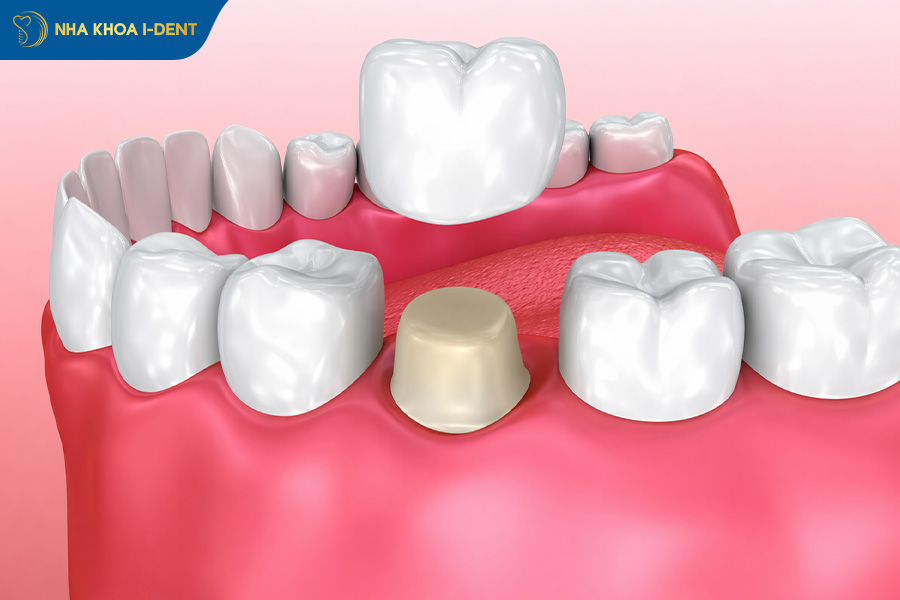
A dental crown is a tooth-shaped cap used to restore a damaged, decayed, or weakened tooth. It fits over the entire tooth, like a snug cover, after a small amount of enamel is removed for a proper fit. Crowns can be made from various materials, including resin, metal, and porcelain, and are bonded in place to protect and strengthen the tooth.
2. When Would You Need a Dental Crown?
Dental crowns are used to address a variety of dental issues. After a thorough examination, your dentist will recommend a crown if it’s the best solution for your case. Some common reasons you might need a dental crown include:
- Strengthening a weakened tooth, especially after severe decay or a large cavity.
- Protecting and supporting a cracked or damaged tooth.
- Restoring a worn-down or broken tooth to its original shape and function.
- Covering a root canal-treated tooth, particularly for posterior teeth.
- Replacing a large filling that may no longer be effective or aesthetically pleasing.
- Covering a dental implant to provide a complete, functional restoration.
- Improving the appearance of a severely stained or discolored tooth for a more uniform smile.
3. What Are the Types of Dental Crowns?
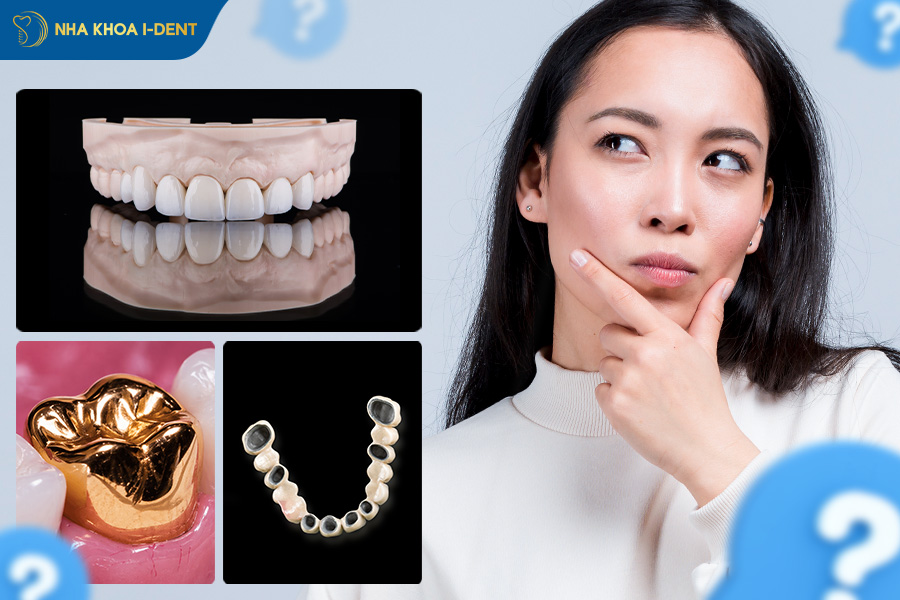
There are 7 types of dental crowns: Metal Crowns, Gold Crowns, All Porcelain Crowns, Porcelain Fused-to-Metal Crowns (PFM), Zirconia Crowns, E-MAX Crowns, and All-Resin Crowns. Each type has its own benefits and drawbacks, and choosing the right one depends on factors like durability, appearance, and cost.
3.1. Metal Crowns
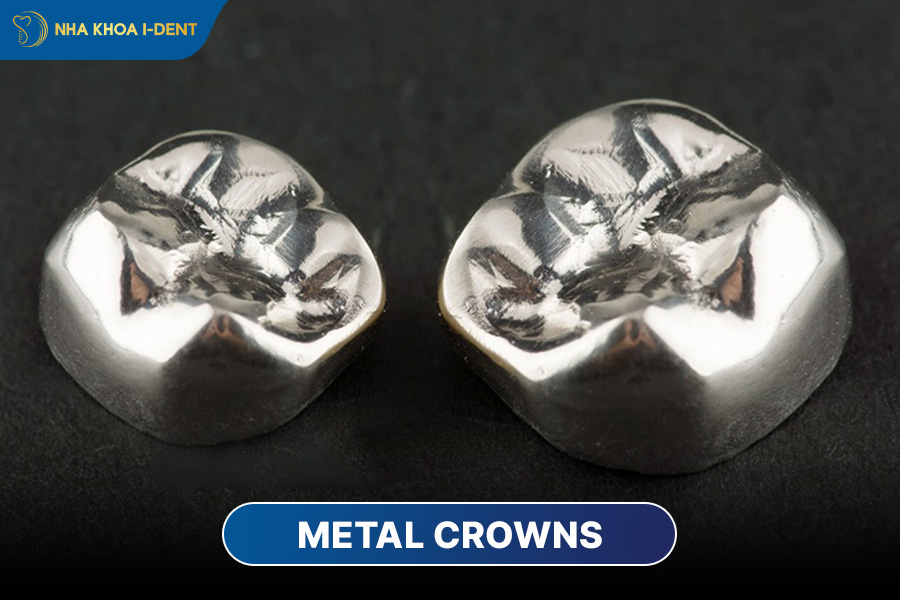
Metal crowns are made from a variety of metals, including gold, palladium, nickel, and chromium. These crowns are known for their strength and durability, making them an excellent option for patients who need a long-lasting restoration for back teeth, such as molars.
Due to their high durability, metal crowns are ideal for patients who grind their teeth or need a crown that can withstand significant biting and chewing forces. However, the metallic color of these crowns makes them less suitable for visible teeth, so they are generally reserved for out-of-sight areas.
Advantages:
- Extremely durable and long-lasting, even under heavy chewing forces.
- Resistant to chipping or breaking.
- Requires minimal removal of tooth enamel for placement.
- Ideal for back teeth, particularly molars, where aesthetics are less of a concern.
Disadvantages:
- The metallic color is noticeable and may not blend well with natural teeth.
- Not suitable for front teeth or visible areas.
- May not be the best option for patients looking for a more aesthetic, natural-looking restoration.
3.2. Gold Crowns
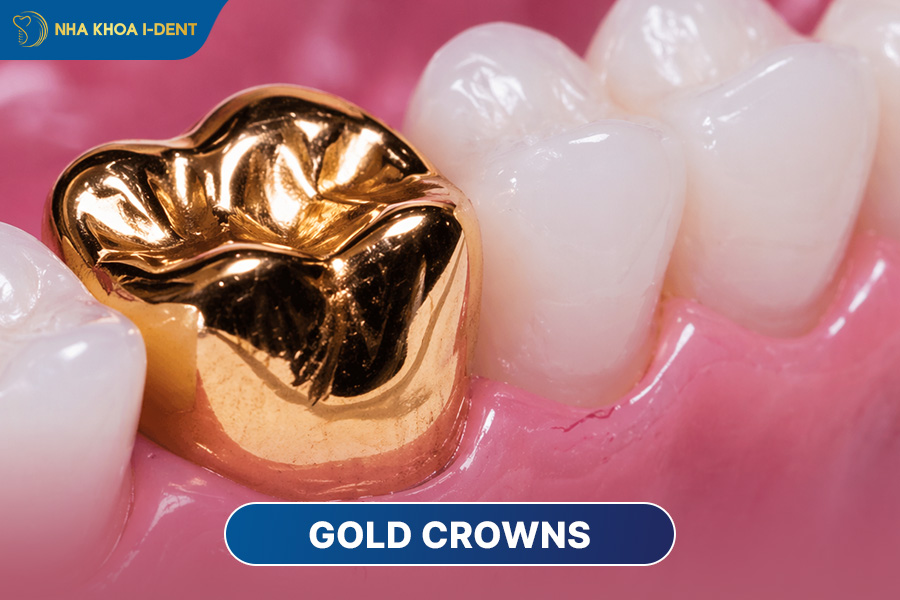
Gold crowns are made from a blend of metals, including gold, copper, nickel, and chromium. Known for their exceptional strength and durability, gold crowns are ideal for patients seeking a long-lasting and reliable restoration, particularly for back teeth such as molars.
While they are not as commonly chosen today due to their color, gold crowns are still preferred by some dentists for specific cases where durability and strength outweigh aesthetic concerns.
Advantages:
- Extremely strong and highly resistant to wear and tear.
- Long-lasting if properly cared for, with a life expectancy of many years.
- Requires minimal removal of natural tooth structure.
- Wears down slowly, similar to natural enamel, preserving your bite.
- Ideal for posterior restorations (back teeth), especially second molars, where aesthetics are less of a concern.
Disadvantages:
- Poor aesthetics due to the metallic color, making them unsuitable for visible teeth.
- Can cause allergic reactions or swelling in some patients due to the metals used in the alloy.
- Not a popular choice for those seeking a more natural look.
3.3. All Porcelain Crowns
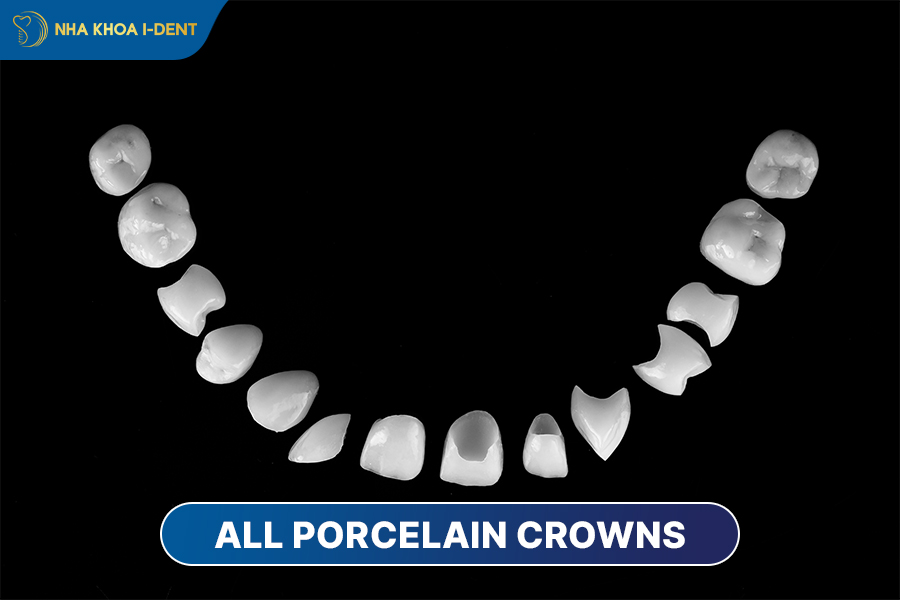
All porcelain crowns are made entirely from ceramic material, offering the most natural appearance among all crown types. Due to their aesthetic qualities, they are highly popular for restoring front teeth, where a seamless match with natural teeth is crucial. These crowns are completely metal-free, making them biocompatible and a great choice for patients with metal sensitivities.
Advantages:
- Provides the most natural look, blending seamlessly with surrounding teeth in shape, size, and color.
- Ideal for front teeth restorations where aesthetics are a priority.
- Biocompatible: free of metals, making them non-toxic and safe for most patients.
- Excellent choice for individuals who want a fully natural appearance without any visible metal.
Disadvantages:
- Not as durable as metal crowns; porcelain crowns can chip or crack under heavy pressure if not properly cared for.
- May not be suitable for patients who grind their teeth (bruxism) as they can wear down more easily; gold or PFM crowns are better options for such cases.
- Typically more expensive than metal crowns due to the high-quality materials and advanced techniques required.
3.4. Porcelain Fused-to-Metal Crowns (PFM)
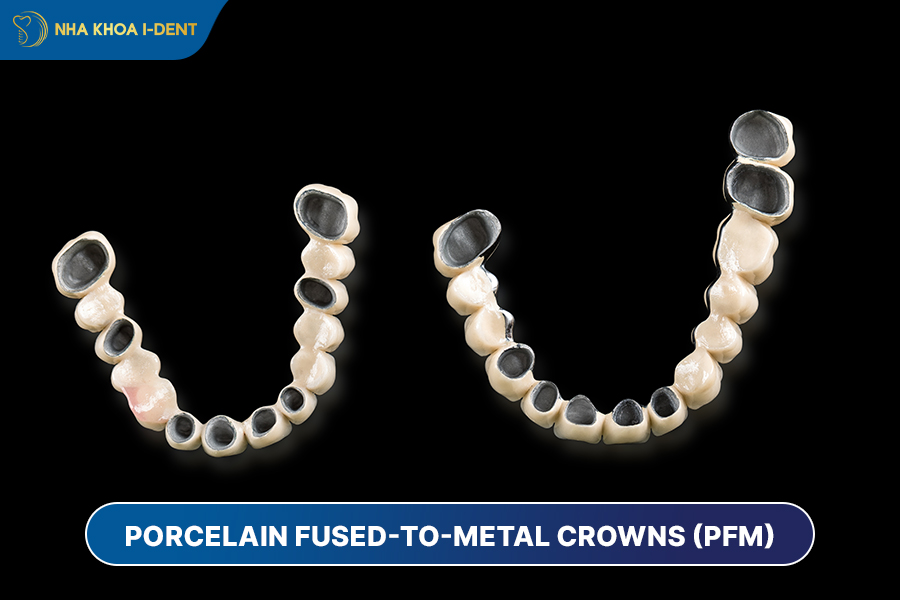
Porcelain-fused-to-metal (PFM) crowns are a combination of a metal base covered by a layer of porcelain, making them a popular choice due to their balance of strength and aesthetics. These crowns are known for providing a durable and natural-looking restoration, making them suitable for both front and back teeth. PFM crowns have been used successfully for over 50 years, offering a proven solution for patients needing a reliable dental restoration.
Advantages:
- Combines the strength of metal with the aesthetic appeal of porcelain.
- Durable and long-lasting, making them a great option for both functional and cosmetic purposes.
- Less expensive than all-porcelain crowns, offering a good balance between cost and appearance.
- Well-established and reliable, with over five decades of successful use.
Disadvantages:
- The metal underneath the porcelain can cause a grayish line at the gumline, which may detract from the natural appearance, especially for visible teeth.
- Not ideal for patients who grind their teeth, as the porcelain coating may wear down more easily against opposing teeth.
3.5. Zirconia Crowns
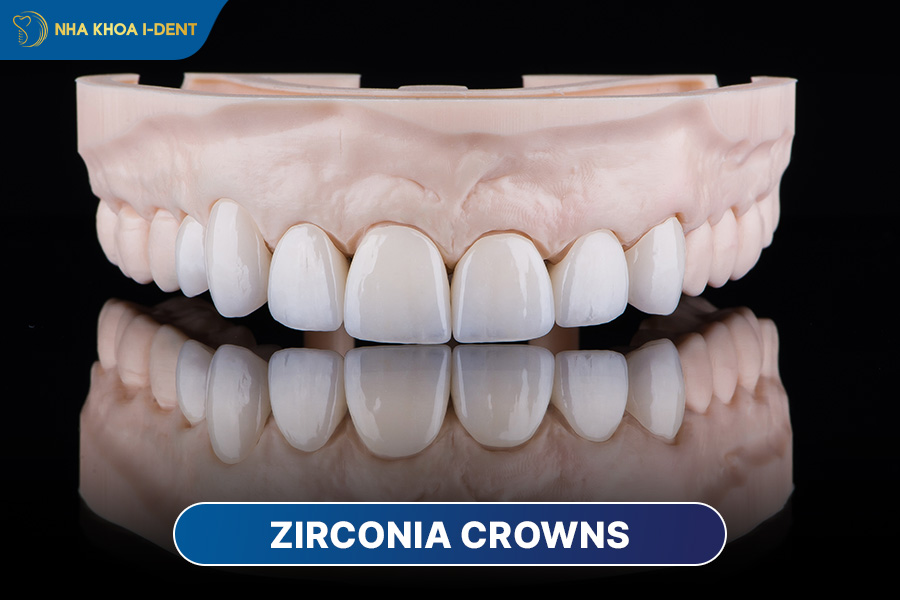
Zirconia crowns are a relatively new addition to the world of dental restorations. Made from zirconium oxide, these crowns combine the strength of metal with the aesthetics of porcelain. Zirconia is highly durable and resistant to damage, making it an increasingly popular choice for both front and back teeth.
The advanced materials used in zirconia crowns allow for natural translucency, providing a more lifelike appearance. Additionally, zirconia crowns can often be fabricated directly in the dental office, reducing treatment time.
Advantages:
- Offers excellent aesthetics, mimicking the natural translucency of teeth.
- Extremely durable and long-lasting, with minimal risk of chipping or breaking.
- The fabrication process is quicker as zirconia can be shaped directly at the dental office, eliminating the need for lab work.
- Less likely to wear down opposing teeth due to its strength.
- Biocompatible: as a metal-free material, it is not likely to cause allergic reactions or sensitivities.
Disadvantages:
- The strength of zirconia can cause it to wear down the opposing teeth more quickly.
- Solid zirconia may be difficult to adjust or modify once placed, requiring precise preparation and fitting.
3.6. E-MAX Crowns
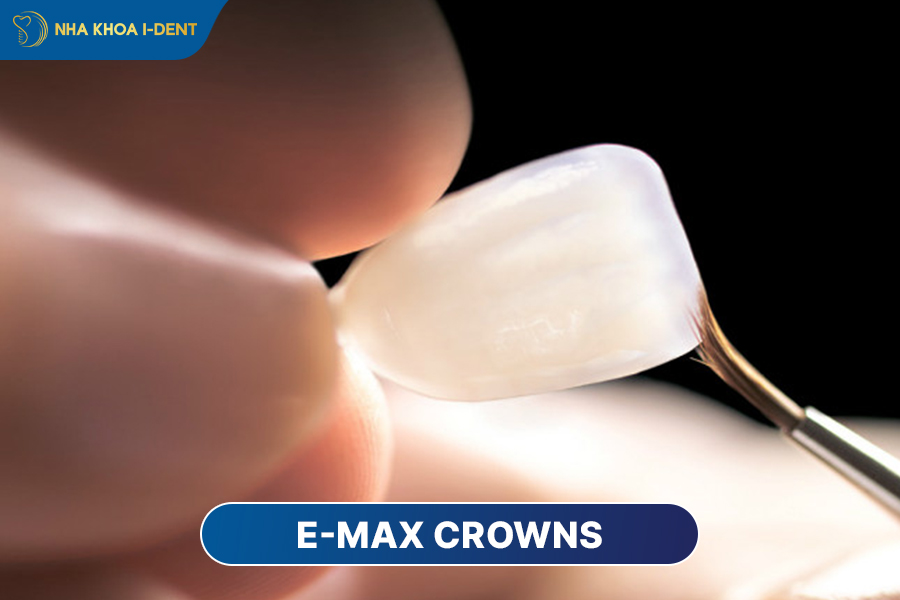
E-MAX crowns are the latest innovation in dental crown technology, made from lithium disilicate, a highly durable and lightweight ceramic material. Known for their excellent aesthetic qualities, E-MAX crowns are an excellent choice for both front and back teeth restorations.
They offer a great balance of strength and beauty, providing a natural appearance while being highly resistant to chipping and breaking. E-MAX crowns have gained popularity for their ability to blend seamlessly with the surrounding teeth, making them ideal for patients looking for a natural-looking restoration.
Advantages:
- Excellent aesthetics: E-MAX crowns provide a highly natural look, closely resembling natural tooth color and translucency.
- Durable and strong: They offer long-lasting results and are resistant to cracking or chipping.
- Versatile: Suitable for both front and back teeth, making them a good all-around option.
- Thin and lightweight: Their minimal thickness makes them ideal for patients with limited tooth structure.
Disadvantages:
- Higher cost, which may be passed on to the patient, as E-MAX crowns can be more expensive for both the dentist and the patient.
- Some dental professionals have reported occasional failures when using E-MAX crowns for posterior teeth, particularly when multiple units are required, due to their relatively lower strength compared to some other materials.
3.7. All-Resin Crowns
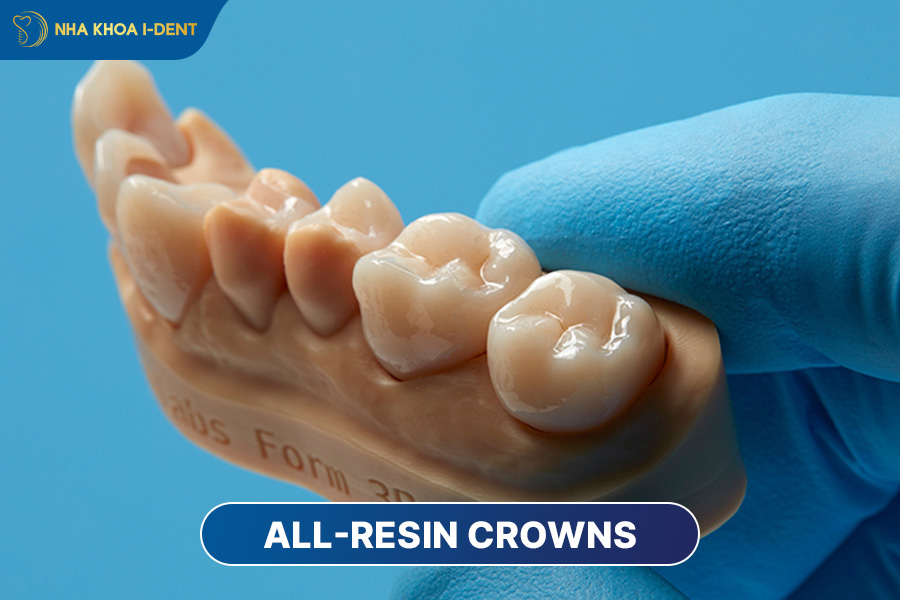
All-resin crowns are made from composite resins, offering a more affordable option compared to other crown materials. While they are not as durable as other types of crowns, they are often used as temporary solutions for dental restorations. Resin crowns are commonly chosen for short-term use or for patients who need a budget-friendly option.
However, their fragility and tendency to wear down over time make them less suitable for long-term use, especially in areas that experience significant pressure, like the molars.
Advantages:
- Cost-effective: All-resin crowns are generally much more affordable compared to porcelain or metal crowns.
- Aesthetic: They can blend well with natural teeth, making them a good temporary solution for patients seeking a less noticeable restoration.
- Quick to fabricate: Resin crowns can be easily crafted and placed, making them an ideal choice for temporary treatments.
Disadvantages:
- Fragility: Resin crowns are more likely to chip, crack, or wear down over time compared to stronger materials like porcelain or metal.
- Short lifespan: They typically last between three to five years, making them unsuitable for long-term use.
- Not ideal for high-stress areas: Resin crowns are not recommended for areas that endure heavy chewing forces, such as the back teeth.
4. How Much Do Dental Crowns Cost?
On average, dental crowns can range in price from $600 to $3,000 or more. The specific cost will depend on the type of crown you choose and any additional treatments or procedures that may be required, such as a root canal or gum surgery. The cost of dental crowns can vary widely depending on several factors, including the type of crown, the materials used, the location of the dental practice, and whether or not you have insurance.
Here’s a breakdown of the typical costs for different types of crowns:
- Gold Crowns: $600 – $2,500
- All-Porcelain Crowns: $800 – $3,000
- Porcelain-Fused-to-Metal (PFM) Crowns: $500 – $1,500
- Zirconia Crowns: Around $800 – $3,000 (similar to all-porcelain crowns)
- E-MAX Crowns: $800 – $3,000 (also similar to all-porcelain crowns)
- Indirect Resin Crowns: $400 – $600 (a budget-friendly option made by the dentist)
If you have dental insurance, it may cover up to 50% of the cost of a crown. However, the amount covered will depend on your specific insurance plan and whether the treatment is deemed necessary or cosmetic. For example, if the crown is part of a restorative procedure (such as after a root canal or to repair a broken tooth), insurance is more likely to cover the cost. On the other hand, if the crown is part of a purely cosmetic treatment (for improving appearance), insurance may not cover the procedure.
For those seeking a more affordable option, indirect resin crowns are a lower-cost solution, with prices ranging from $400 to $600. These crowns are typically made in the dentist’s office rather than a lab, reducing overall costs. However, keep in mind that they are less durable and may need to be replaced sooner than other crown types.

5. The Process of Getting a Dental Crown
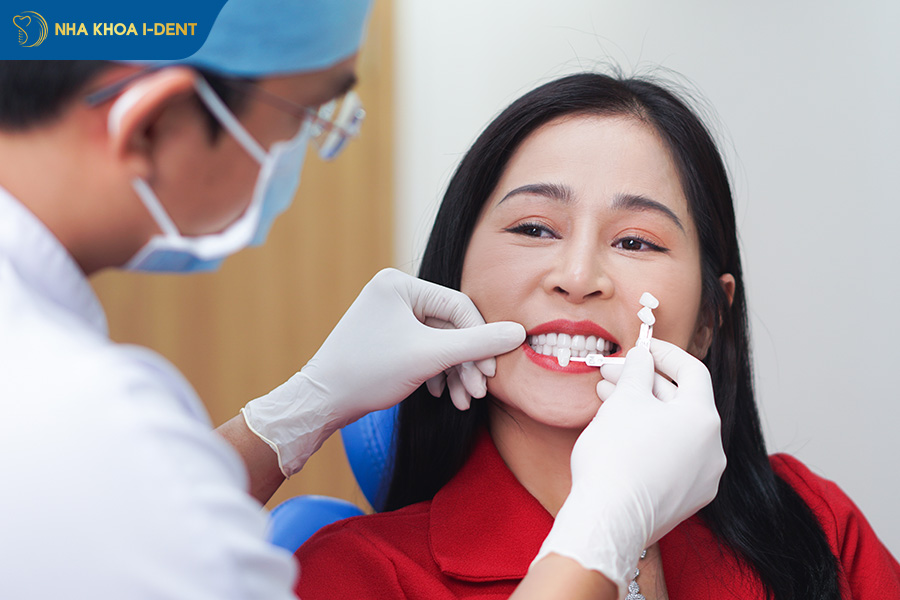
The process of getting a dental crown typically involves 2 visits and 5 main steps, although this may vary depending on the type of crown and technology used (such as same-day crowns). Below is a general step-by-step overview:
- Tooth Preparation: Your dentist will reshape the affected tooth by removing a small amount of enamel. This creates enough space for the crown to fit properly. In some cases, additional procedures like decay removal, a filling build-up, or even a root canal may be required to ensure a strong foundation.
- Dental Impressions: Once the tooth is prepared, your dentist will take impressions of your teeth. This can be done using traditional putty material or digital scanning technology. These impressions are sent to a dental lab, where your custom crown is fabricated to match the exact shape and size of your tooth.
- Temporary Crown Placement: While waiting for the permanent crown (usually 1–3 weeks), a temporary crown is placed to protect your tooth. This temporary restoration is typically made from resin or acrylic, so you’ll need to avoid hard or sticky foods to prevent damage.
- Final Crown Placement: During your second visit, the dentist will remove the temporary crown and check the fit, shape, and color of the permanent one. Adjustments may be made to ensure comfort and proper bite alignment.
- Cementation (Bonding): Once everything is properly fitted, the final crown is securely bonded to your tooth using a strong dental cement, restoring both function and appearance.
6. Benefits and Disadvantages of Dental Crowns
Dental crowns are a widely used restorative solution thanks to their durability and aesthetic benefits. However, like any dental treatment, they come with both advantages and limitations that you should consider before proceeding.
Advantages:
- Help restore worn, broken, or severely decayed teeth.
- Protect teeth from further damage and wear (erosion).
- Improve chewing function and bite alignment.
- Enhance the overall appearance of your smile.
- Long lifespan, typically lasting 5–15 years or more with proper care.
Disadvantages:
- Require removal of a portion of natural tooth enamel, which is irreversible.
- May cause temporary tooth sensitivity after placement.
- Can chip, crack, or fracture over time, especially under heavy pressure.
- Poorly fitted crowns may trap bacteria and lead to decay underneath.
- Risk of allergic reactions in rare cases (especially with metal-based crowns).
- Can be relatively expensive, depending on the material and treatment complexity.
7. Factors to Consider When Choosing the Right Dental Crown
Below are some key factors to consider when choosing the right dental crown:
- Tooth Location: Whether the crown is placed on a front tooth or a molar plays an important role. Front teeth require high aesthetics, while back teeth need stronger materials to withstand chewing forces.
- Aesthetics and Appearance: If the crown is visible when you smile, materials like porcelain, zirconia, or E-MAX are ideal due to their natural color and translucency, closely mimicking real teeth.
- Strength and Longevity: Metal and zirconia crowns are known for their superior durability and long lifespan. In contrast, porcelain and resin crowns may wear down faster or be more prone to chipping.
- Biocompatibility: If you have allergies to metals such as nickel or chromium, you should inform your dentist. Metal-free options like zirconia or all-ceramic crowns are safer and less likely to cause reactions.
- Cost and Long-Term Value: Costs can vary significantly between materials. While resin crowns are more affordable upfront, they may need replacement sooner. Higher-end options like zirconia or E-MAX may cost more initially but offer better longevity and value over time.
- Tooth Preparation Requirements: Some crown types require more removal of natural tooth structure. Metal and zirconia crowns typically preserve more of the natural tooth compared to PFM or all-ceramic crowns.
8. Frequently Asked Questions
8.1. What Are the Types of Dental Crowns?
There are 7 main types of dental crowns, including Metal Crowns, Gold Crowns, All Porcelain Crowns, Porcelain Fused-to-Metal (PFM) Crowns, Zirconia Crowns, E-MAX Crowns, and All-Resin Crowns. Each type differs in durability, aesthetics, and cost, making them suitable for different dental needs.
8.2. How Much Do Dental Crowns Cost?
A dental crown typically costs between $600 and $300, though prices can vary depending on the material used and the complexity of the case. Additional procedures such as root canals, bone grafting, or gum surgery can increase the total cost. Insurance coverage also varies, depending on your specific plan and whether the treatment is restorative or cosmetic.
8.3. What Materials Are Used in Dental Crowns?
Dental crowns are made from a variety of materials, with the most common being porcelain, porcelain-fused-to-metal, gold alloys, and zirconia. Each material offers different benefits in terms of strength, appearance, and cost, allowing dentists to tailor the treatment based on the patient’s needs and budget.
8.4. What Are the Most Common Problems with Dental Crowns?
While dental crowns are durable, some common issues can occur, such as tooth sensitivity after placement, chipping or cracking of the crown, wear over time, or decay forming underneath the crown if it does not fit properly. In rare cases, patients may also experience allergic reactions to certain materials. Regular dental check-ups and proper oral hygiene can help prevent these problems.
In summary, there are 7 types of dental crowns, each offering different advantages in terms of aesthetics, durability, and cost. Prices typically range from $600 to $3,000, depending on the material and treatment complexity. Each type is suited to specific dental conditions, whether you prioritize strength, appearance, or budget. To achieve the best long-term results, it’s important to consult with your dentist and choose the most appropriate option based on your individual needs.

