





Dental Implants Procedure at I-Dent Dental Clinic

Cố vấn chuyên môn:TS.BS.CKII Nguyễn Hiếu Tùng
- Giám đốc Nha khoa I-DENT
- 10 năm tu nghiệp tại Pháp - hơn 10.000 ca Implant thành công
- Giấy phép hành nghề số 0002468/TG – CCHN
Listen to this article
9 min 40 secOpen audio player
The dental implant procedure at I-Dent Dental Clinic is performed through 6 standardized steps to ensure safety and long-lasting results: 1. Consultation & treatment planning, 2. Professional cleaning, 3. Implant placement surgery, 4. Impressions & temporary restoration, 5. Follow-up and healing monitoring, 6. Final crown placement. Each step is carefully carried out by experienced dentists to restore both function and aesthetics.
1. Dental Implants Procedure
At I-Dent Dental Clinic, this process is carried out in 6 clear steps to ensure safety, comfort, and optimal outcomes. Below is a detailed breakdown of each step in the dental implants procedure.
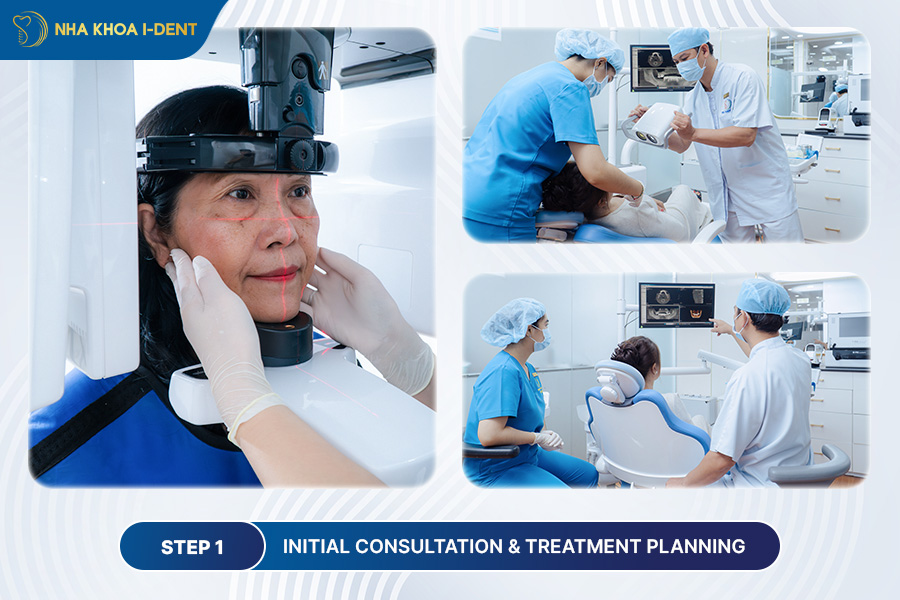
1.1. Step 1: Initial Consultation & Treatment Planning
The first step begins with an in-person visit to the dental clinic for a comprehensive examination and consultation. Your dentist will perform advanced imaging, such as a 3D CT scan, to accurately assess the missing tooth area, overall oral health, jawbone structure and density, as well as the condition of the surrounding gum tissue. In some cases, additional medical tests may be required to ensure you are healthy enough for dental implant surgery.
Once all diagnostic results are available, the dentist will develop a personalized treatment plan tailored to your condition. This includes recommending the most suitable type of dental implant, outlining the procedure in detail, and providing a clear breakdown of the total cost. This step ensures you fully understand the process and feel confident before moving forward with treatment.
1.2. Step 2: Pre-Surgery Check & Oral Cleaning
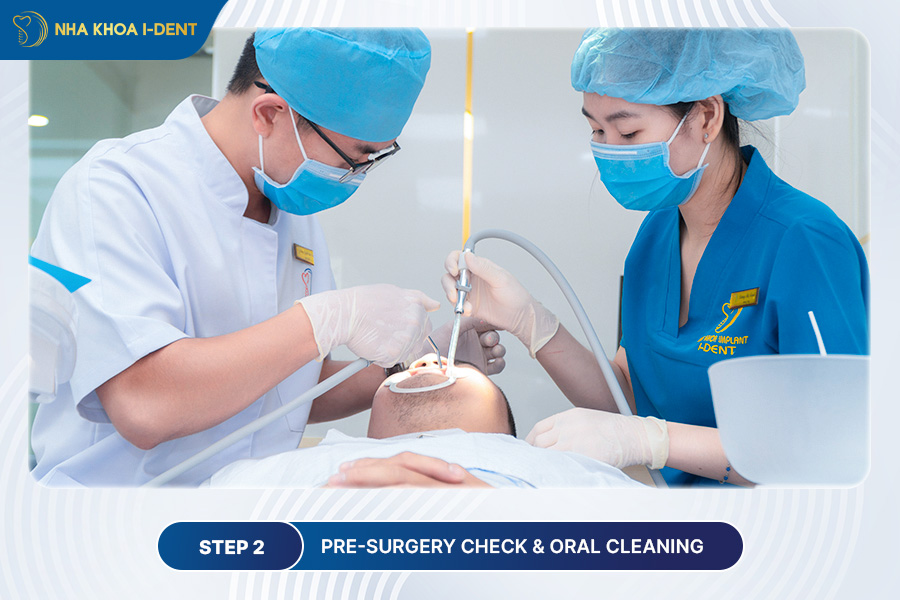
Before the implant procedure, the patient undergoes a final overall health check to ensure they are in suitable condition for surgery. This step helps confirm that there are no new issues that could affect the treatment and allows the patient to feel mentally prepared and comfortable before the procedure begins.
After that, the patient is taken to a sterile surgical room, where the dentist performs a thorough professional cleaning of the oral cavity. This step is essential to eliminate bacteria and reduce the risk of infection after implant placement, ensuring a safe and smooth surgical process.
1.3. Step 3: Implant Placement Surgery
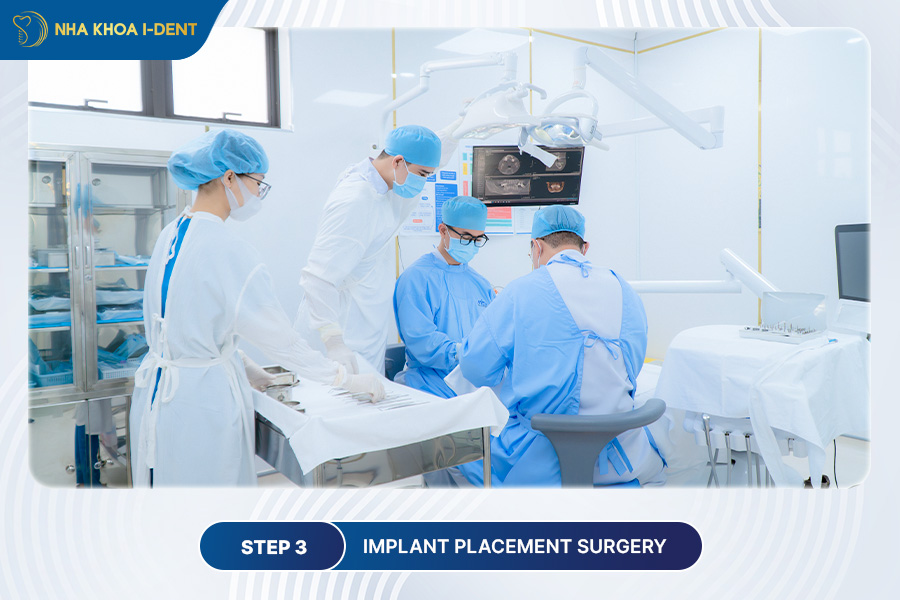
The dentist begins by administering local anesthesia to numb the area where the implant will be placed, ensuring the procedure is comfortable and pain-free. Once the area is numb, the implant is carefully inserted into the jawbone at the pre-determined location.
The placement process is quick and precise, typically taking only 7–10 minutes per implant. Each implant is positioned using a series of surgical steps: making a small incision in the gum, creating a pilot hole in the bone, gradually widening the hole, inserting the implant, adjusting its position, and finally suturing the surrounding gum tissue. This careful approach ensures proper alignment and stability for long-term success.
1.4. Step 4: Impressions & Temporary Restoration
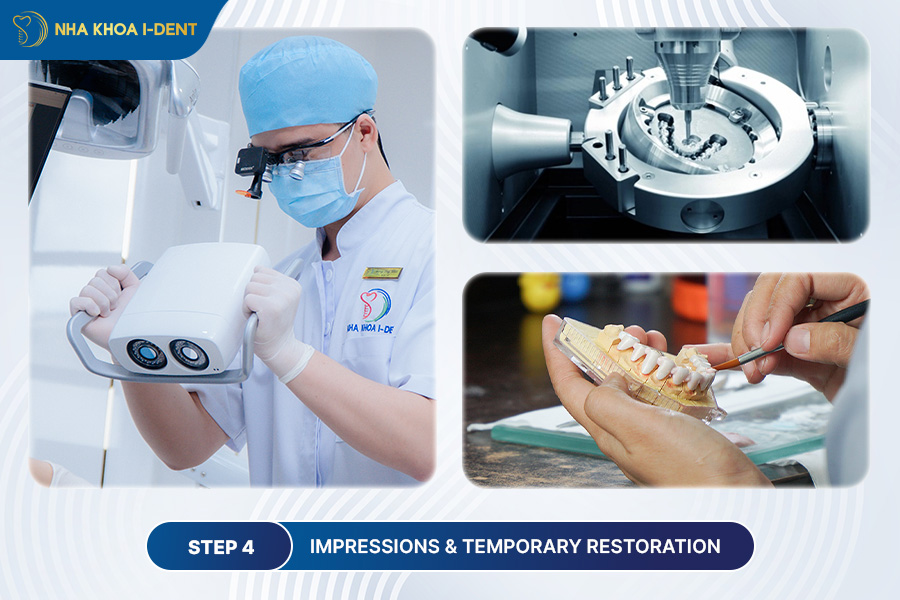
Next, the dentist takes dental impressions of your mouth, including the newly placed implant, and sends them to the dental lab for the fabrication of your custom crown. Within 2–3 days after implant placement, you will return to the clinic to have a temporary tooth fitted.
This temporary restoration allows you to maintain normal chewing function and a natural appearance while the implant integrates with the jawbone. It ensures that your smile remains functional and aesthetically pleasing during the healing period before the final crown is placed.
1.5. Step 5: Follow-Up & Healing Check
About 7–10 days after implant placement, the patient returns to the clinic for a follow-up appointment. During this visit, the dentist examines the healing of the gums around the implant and evaluates overall oral health.
If any dental issues, such as gum disease or cavities, are detected, they are treated promptly to ensure they do not compromise the implant. This step is crucial for monitoring recovery and making sure the implant is integrating properly with the jawbone.

1.6. Step 6: Final Crown Placement
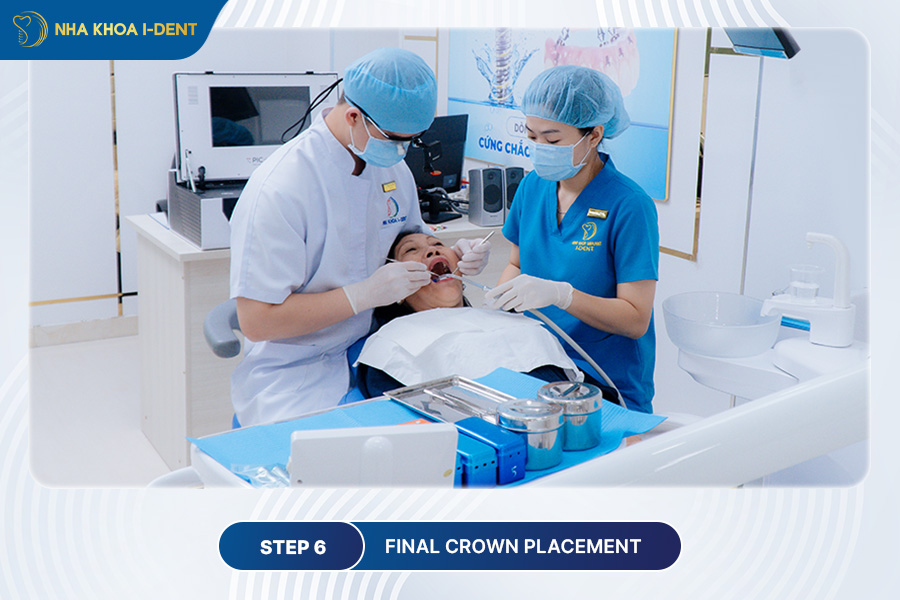
Finally, once the implant has fully integrated with the jawbone, the dentist attaches a permanent dental crown to complete the implant procedure. This final restoration provides a strong, fully functional tooth that looks and feels like a natural tooth, restoring both chewing ability and aesthetics.
After placing the crown, the dentist will provide guidance on proper at-home care for your dental implant and schedule regular follow-up visits to ensure long-term success and maintain oral health.
2. How Long Does the Dental Implants Procedure Take?
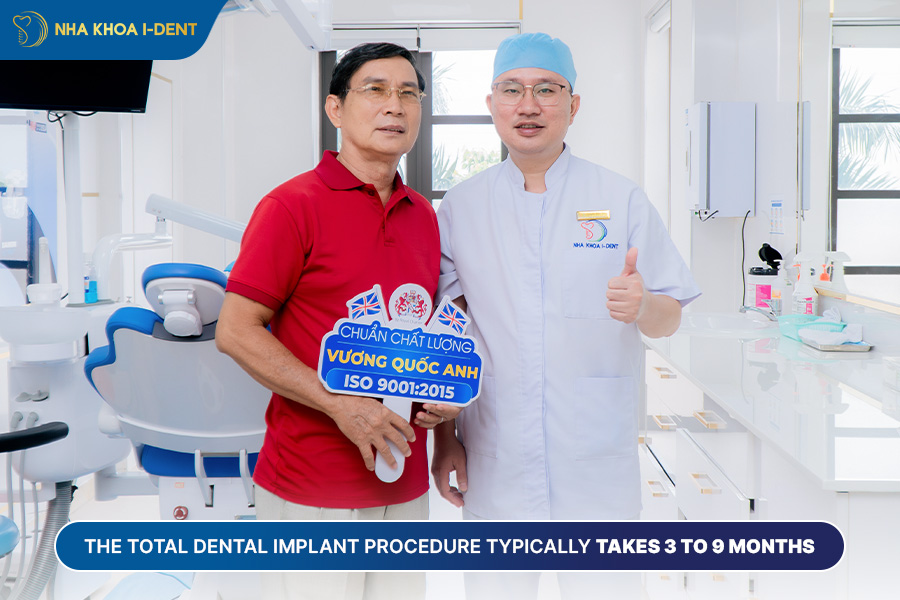
The entire dental implant process typically spans 3 to 9 months and the total timeline can vary depending on each patient’s needs. Here’s a realistic overview of how long each stage typically takes:
- Consultation & Evaluation: 1 day
Comprehensive exam, X-rays or 3D scans, and review of medical and dental history.
- Customized Treatment Planning: 1–2 weeks
Developing a personalized plan and completing any preparatory procedures, such as bone grafts if needed.
- Implant Placement Surgery: 1–2 weeks recovery
The titanium post is surgically inserted into the jawbone, followed by initial healing.
- Healing & Osseointegration: 3–6 months
The implant gradually fuses with the jawbone while regular follow-ups monitor progress.
- Abutment Placement: 1 day
The connector (abutment) is attached to the implant, and the gums heal around it.
- Crown Fabrication & Temporary Crown (if needed): 2–4 weeks
Impressions or digital scans are taken, and a temporary crown may be placed while the permanent crown is made.
- Final Crown Placement: 1–2 days
The permanent crown is secured onto the abutment, completing the restoration and giving you a fully functional, natural-looking tooth.
3. Healing Process for Dental Implants
Healing for dental implants occurs in multiple stages and is essential for long-term success. Typically, it takes 3–6 months for the implant to fully integrate, or fuse, with the jawbone through a process called osseointegration. Once the implant is stable, the gums require an additional 2–4 weeks to heal around the abutment before the permanent crown can be placed.
Overall, the complete healing process usually ranges from 4 to 7 months, depending on each patient’s individual healing ability and whether any preparatory procedures, such as bone grafts, were needed. Proper follow-up visits and care during this period are crucial to ensure a healthy, durable implant.
4. Frequently Asked Questions (FAQs)
4.1. How long do dental implants last?
With proper care and regular dental check-ups, dental implants can last over 25 years or even a lifetime. Their durability depends on good oral hygiene, overall health, and avoiding habits that can damage teeth, such as smoking or grinding.
4.2. Is the procedure safe?
Dental implant surgery is considered a safe and predictable procedure when performed by experienced dentists. The use of sterile techniques, modern imaging, and precise surgical planning minimizes risks and ensures high success rates.
4.3. Can smokers get dental implants?
Smokers can receive dental implants, but smoking increases the risk of implant failure and slows healing. Dentists often recommend quitting or significantly reducing smoking before and after the procedure to improve outcomes.
4.4. Is the Dental Implant Process Painful?
Most patients experience only mild discomfort, which can be easily managed with pain medication. Local anesthesia and sedation options ensure the procedure remains comfortable throughout.
4.5. Who Is a Candidate for a Dental Implant?
Most healthy adults with one or more missing teeth can be candidates for dental implants. Key requirements include healthy gums, sufficient jawbone to support the implant, and good overall oral health.
4.6. How Do You Take Care of Dental Implants?
Dental implants should be cared for just like natural teeth: regular brushing, flossing, and using mouthwash, along with routine dental check-ups. Avoid smoking and chewing hard objects to maintain their longevity.
4.7. Will the Implants Discolor Over Time?
Implants are made from durable, stain-resistant materials, so they generally do not discolor like natural teeth. Maintaining proper oral hygiene and regular cleanings helps ensure your smile remains uniform with your surrounding teeth.
In conclusion, the dental implants procedure is a carefully planned, multi-step process designed to restore missing teeth safely and effectively. From the initial consultation to the placement of the final crown, each stage ensures optimal healing, function, and aesthetics. With proper care and follow-up, dental implants can provide a durable, natural-looking solution for years to come. Choosing a reputable dental clinic for your consultation and treatment is essential to ensure safety, precision, and the best possible results.

